Florissant Fossil Beds National Monument
The largest source of fossilized insects anywhere.
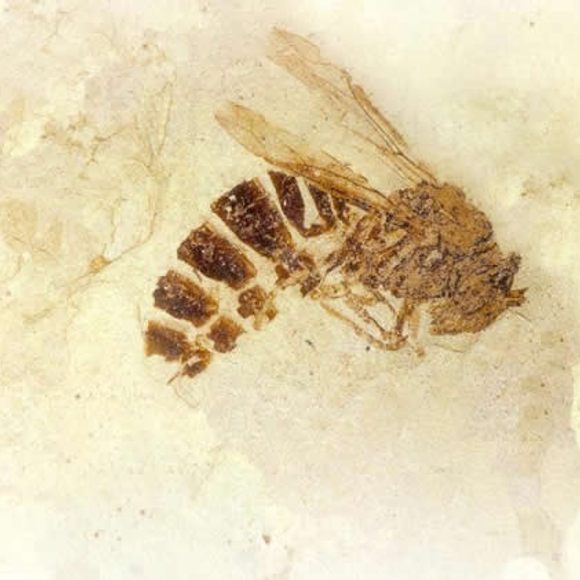
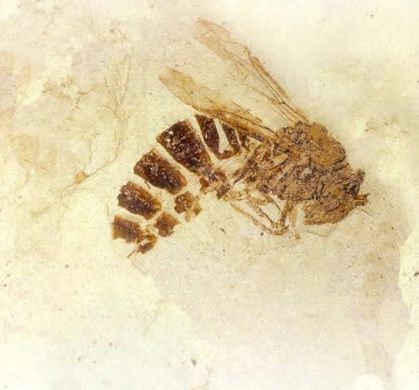
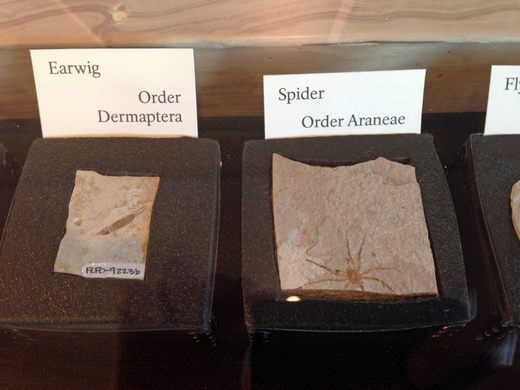
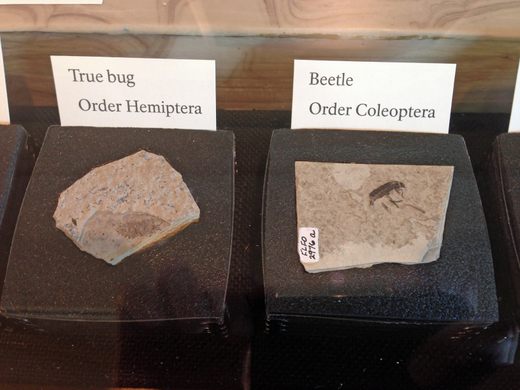
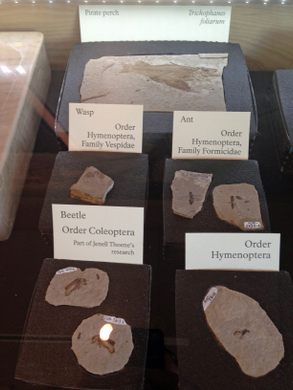
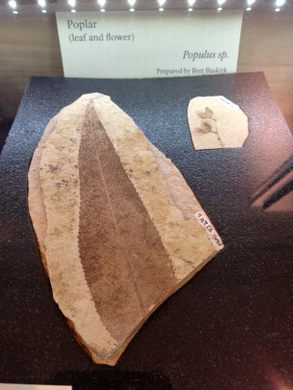
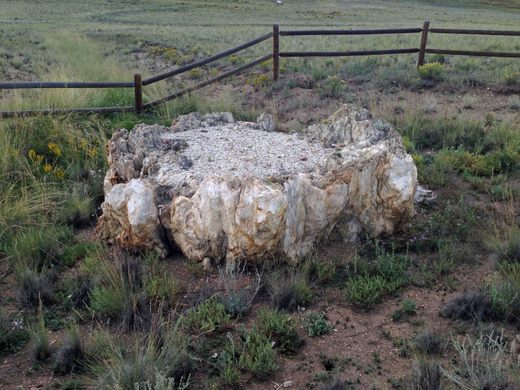
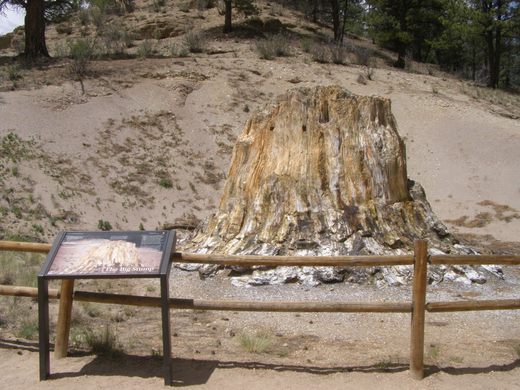
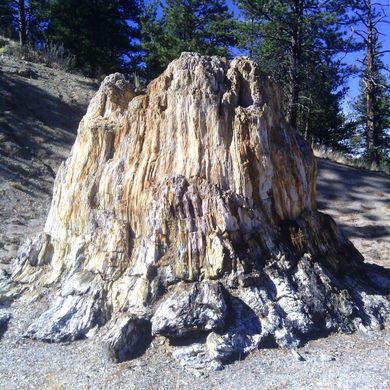
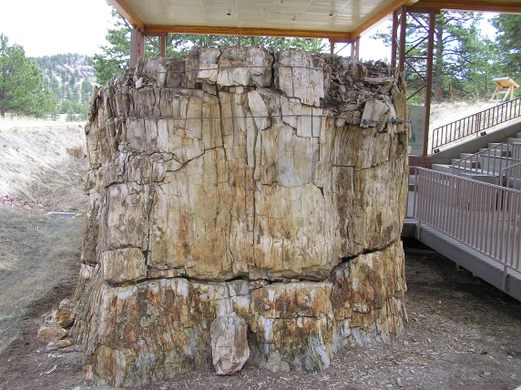
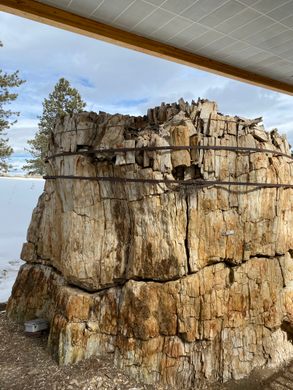
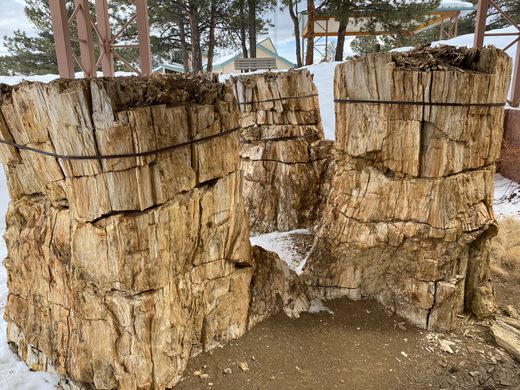
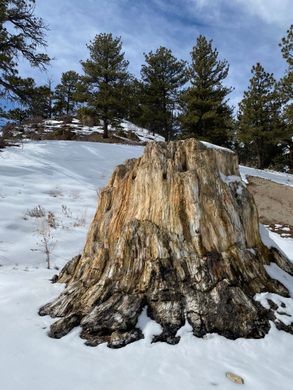
A national monument in Teller County, Colorado, the Florissant Fossil Beds are known for, well, the Florissant fossil beds. Fossilized stumps of a redwood forest litter the site, which is the most prolific source of fossilized insects anywhere in the world.
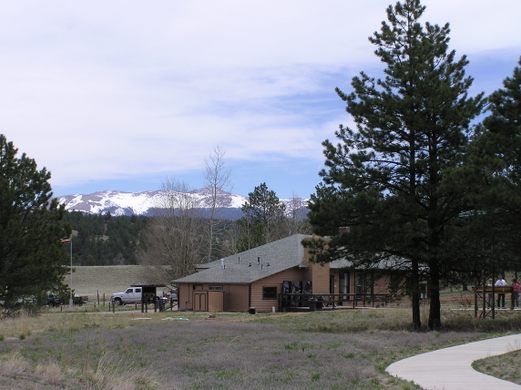
Located in a mountain valley and operated by the National Park Service, Florissant Fossil is a popular tourist destination because of its exhaustive record of a particular kind of prehistoric life.
The visitors center is filled with fossilized insects on display, complete with background and scientific information. A 14-minute film shown in the center is recommended. It explains that the fossils are contained in the Florissant Formation of Eocene age. Almost 35 million years ago, volcanic eruptions buried the lush valley that was once in this area. Ash petrified the redwood trees — some up to 14 feet wide — that grew here and a lake formed that became a resting place for thousands of plants and insects.
The Florissant Fossil Beds were set aside as part of the National Park System in 1969. The hiking trails are another popular reason for visiting the park; they wind several miles past wonderful outcrops of weathered Pikes Peak granite.
Know Before You Go
Visitors traveling north/south on I-25: Exit at US 24 West, travel 35 miles to town of Florissant, then follow signs two miles south to the visitor center on Teller County 1. Visitors traveling east/west on US 24: Exit to the town of Florissant, then follow signs two miles south on Teller County 1 to the visitor center. Visitors traveling from the town of Cripple Creek: Follow Teller County Road 1 north for 16 miles. Take the weather into consideration if you're visiting for a hike: Summers are short with warm days and cool nights, and sub-zero temperatures are common in the winter as the site is more than 8,000 feet above sea level.
Community Contributors
Added by





Plan Your Trip
The Atlas Obscura Podcast is Back!



Follow us on Twitter to get the latest on the world's hidden wonders.
Like us on Facebook to get the latest on the world's hidden wonders.
Follow us on Twitter Like us on Facebook