Holyrood Abbey Ruins
Ruined 11th century abbey built by King David I in Edinburgh, Scotland.
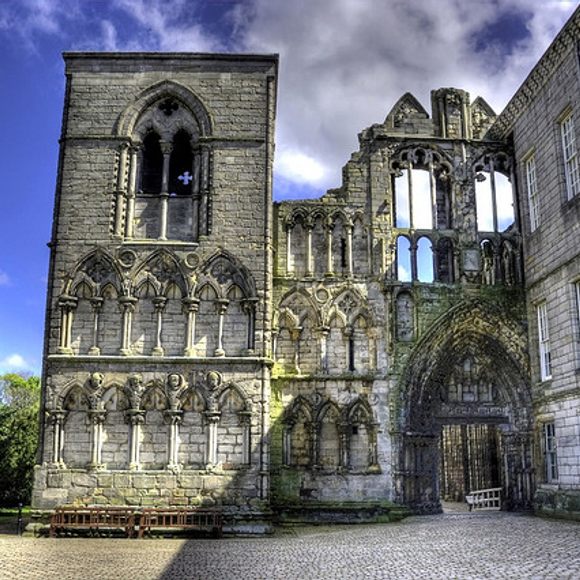
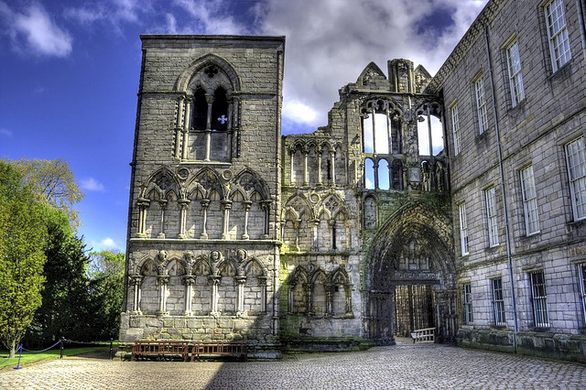
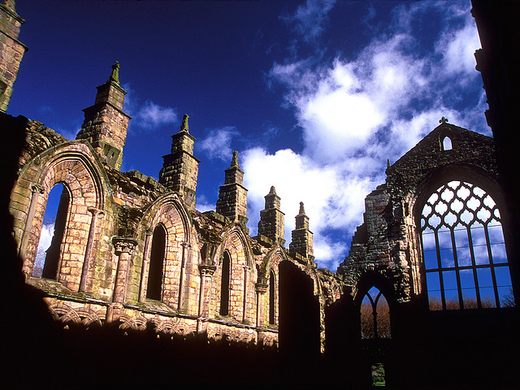
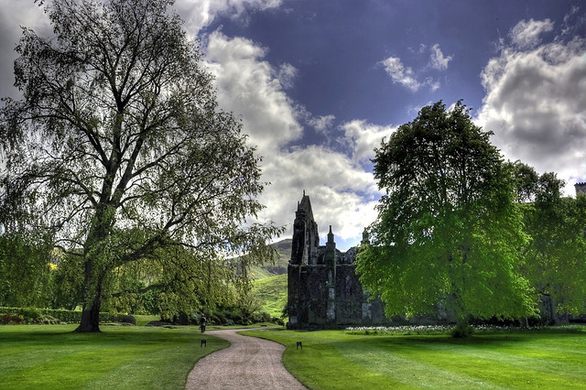
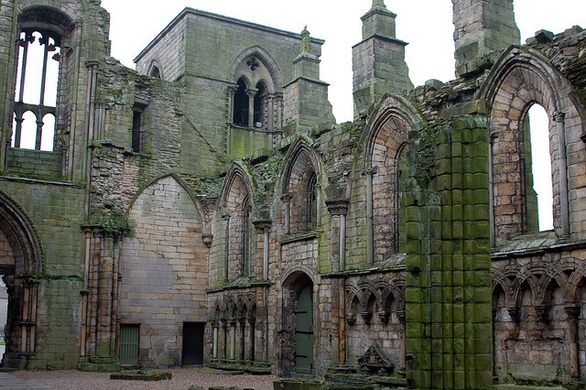
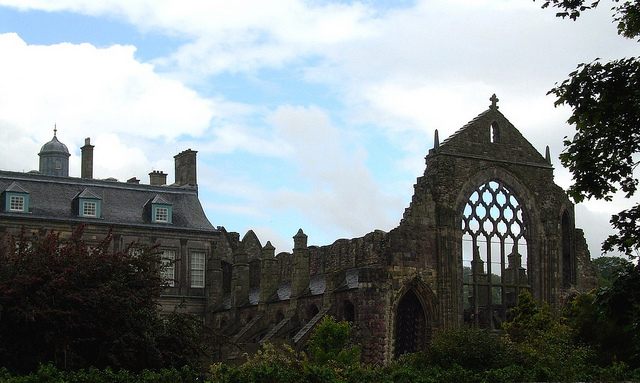
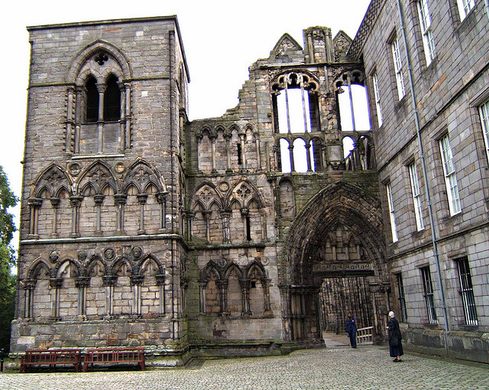
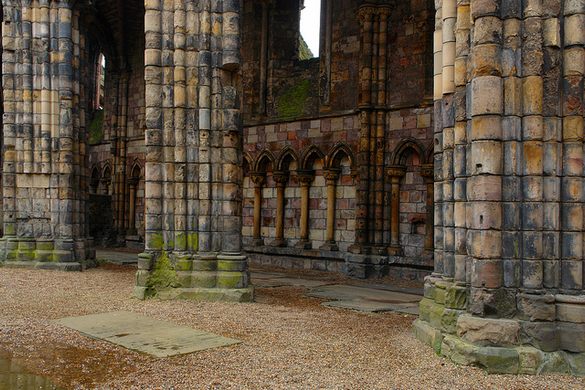
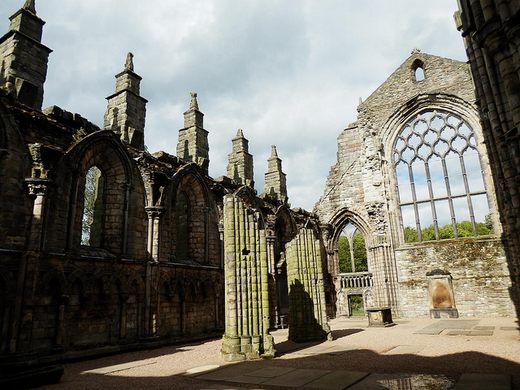
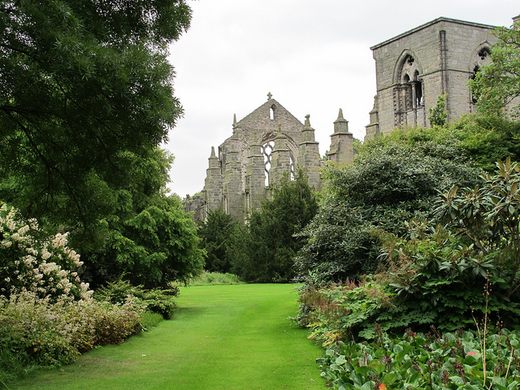
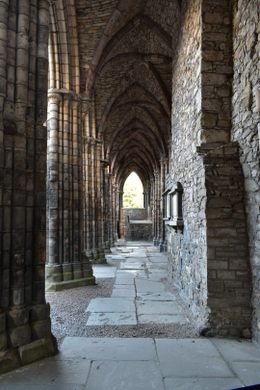
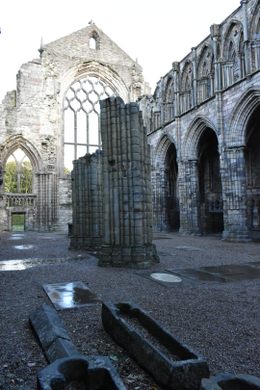
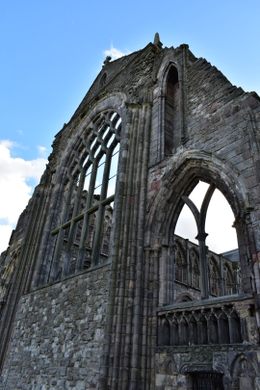
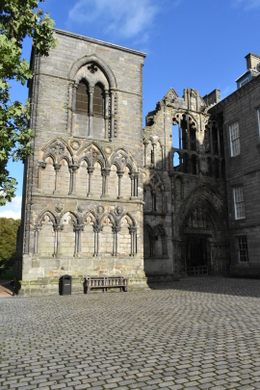
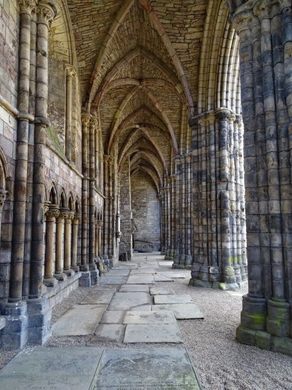
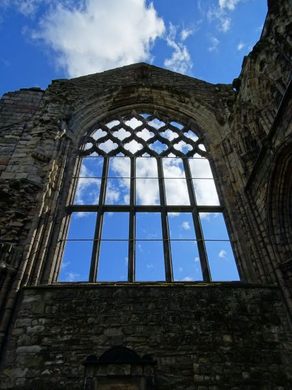
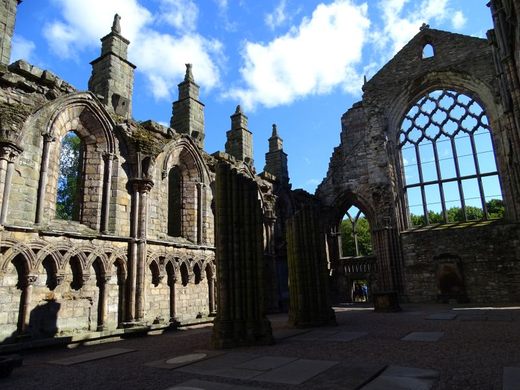
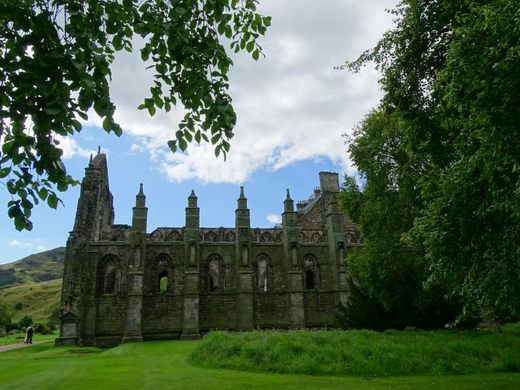
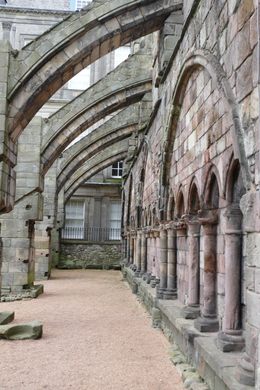
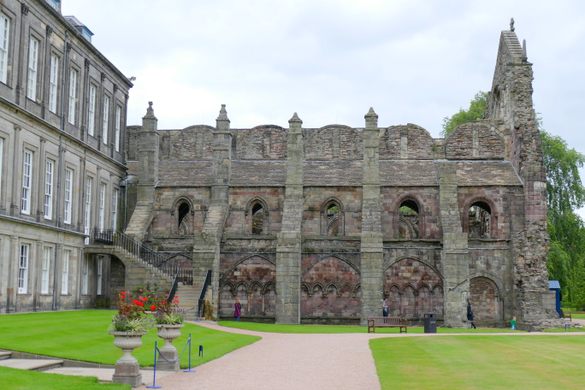
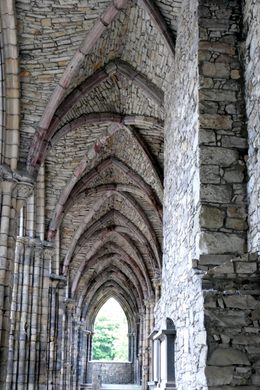
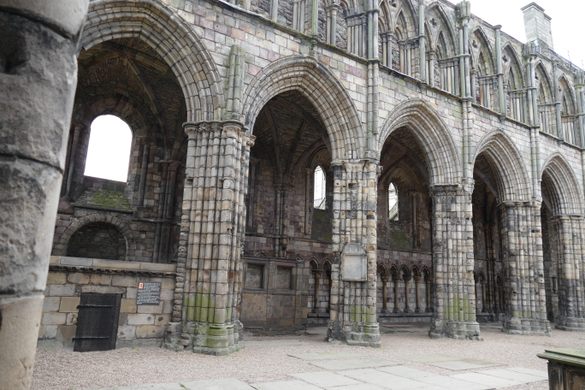
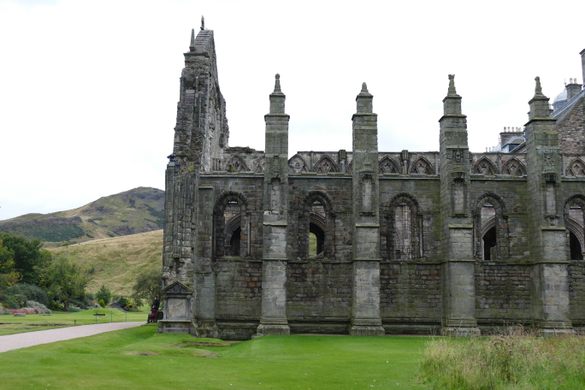
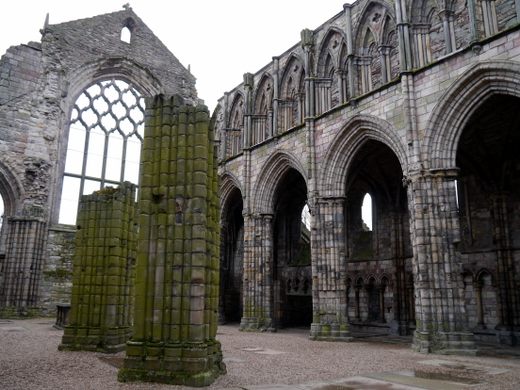
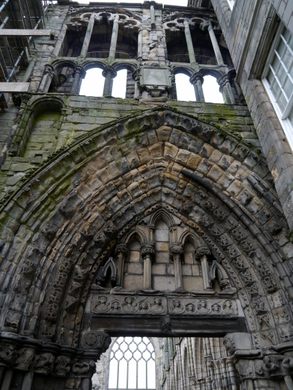
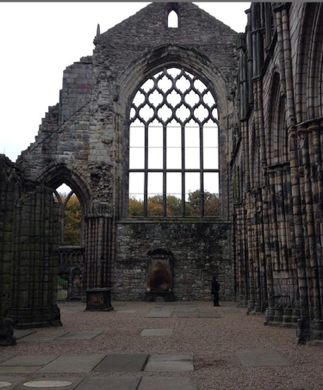
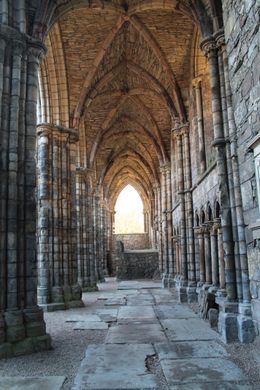
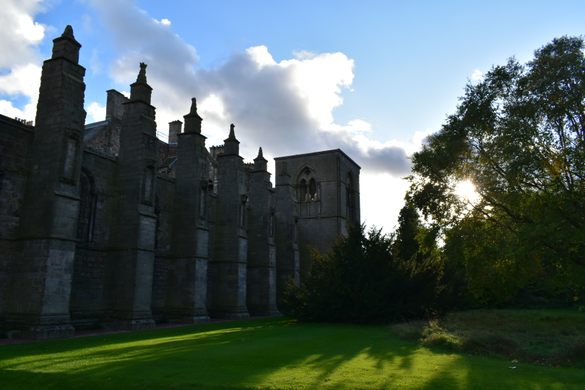
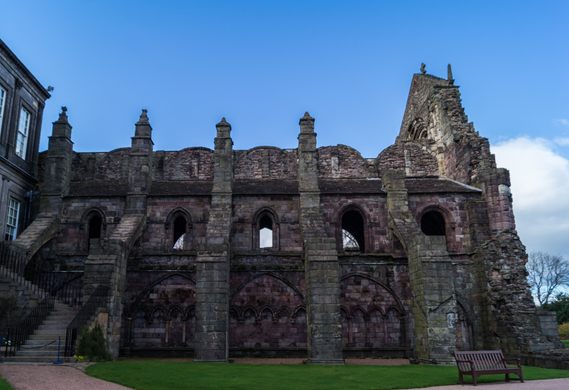
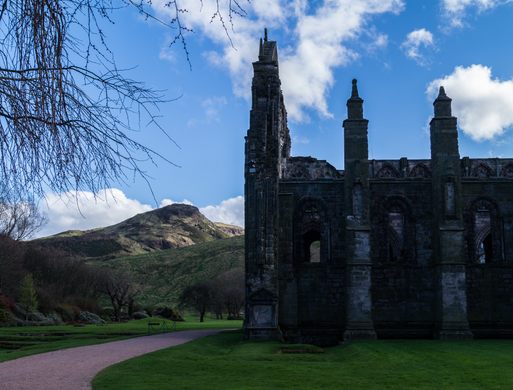
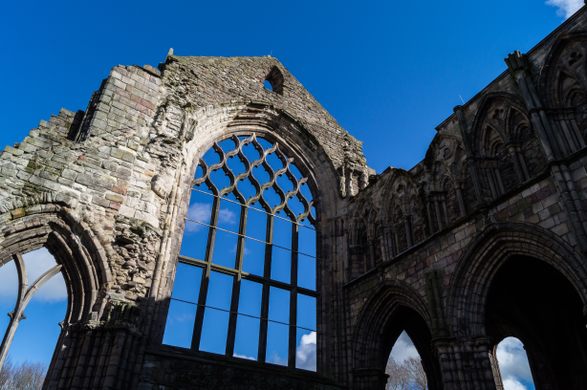
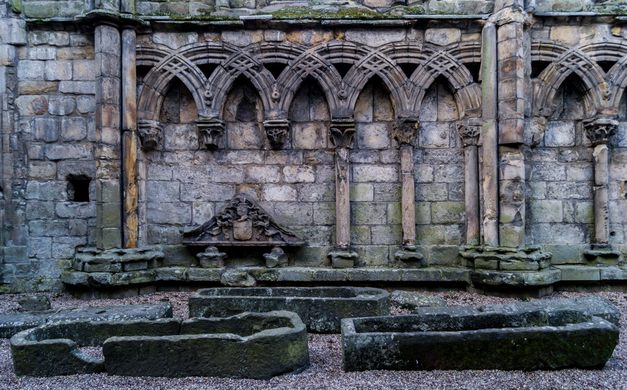
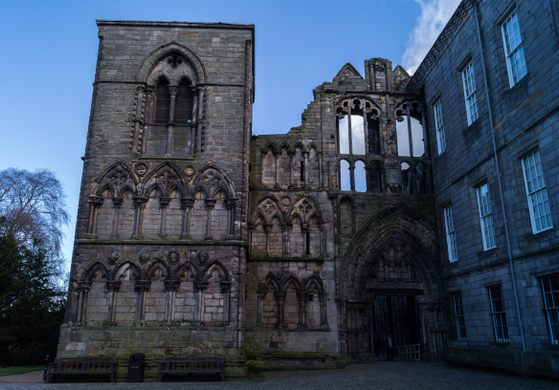
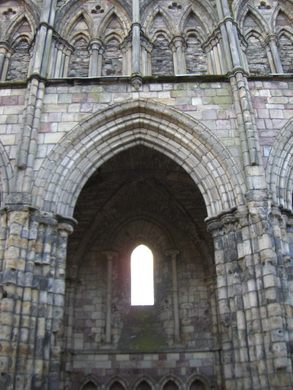
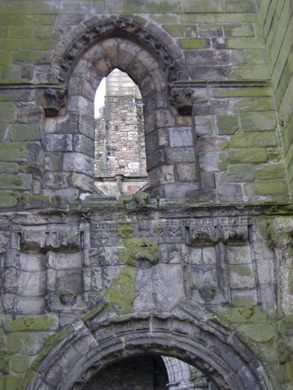
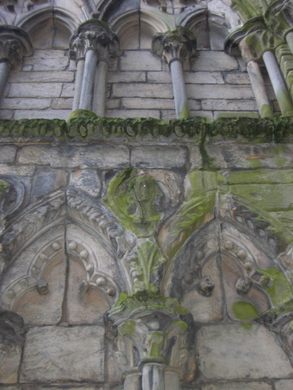
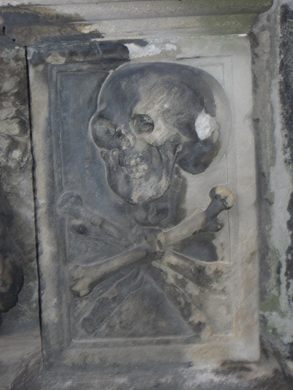
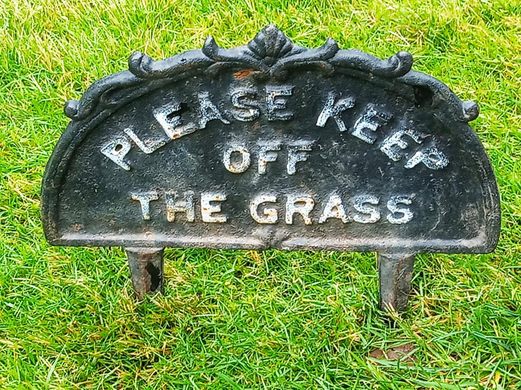
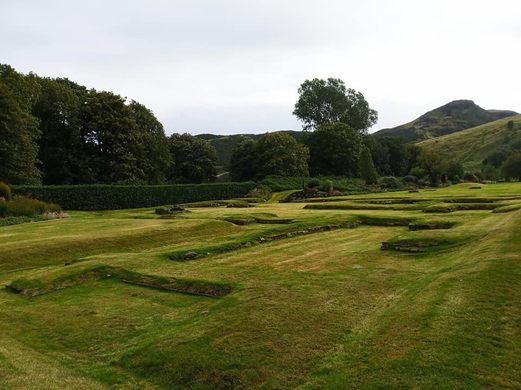
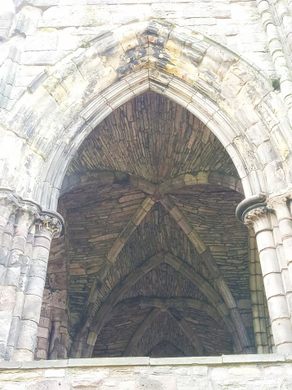
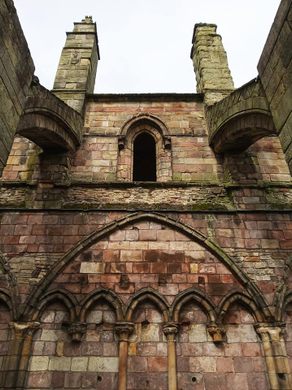
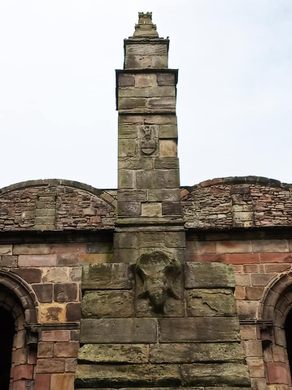
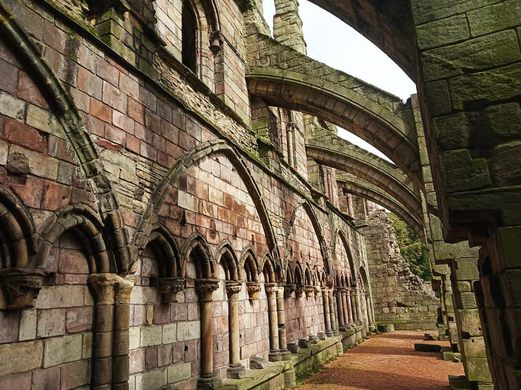
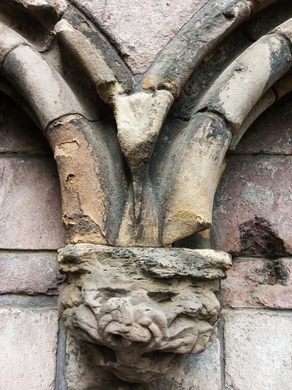
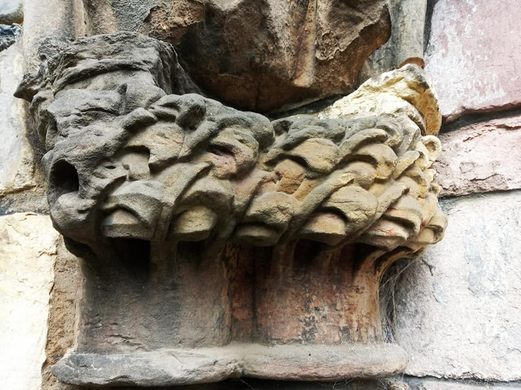
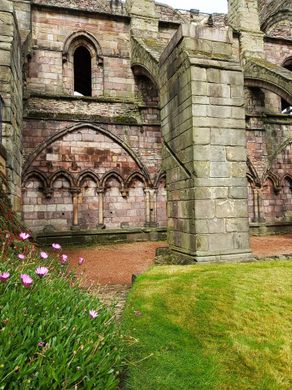
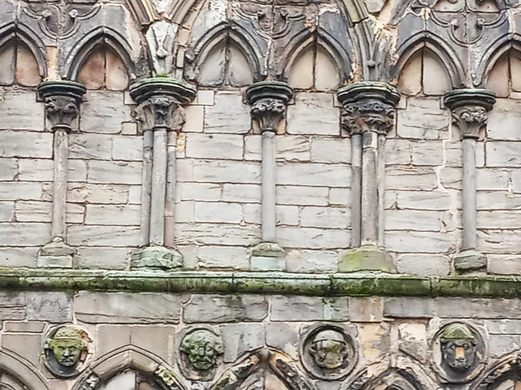
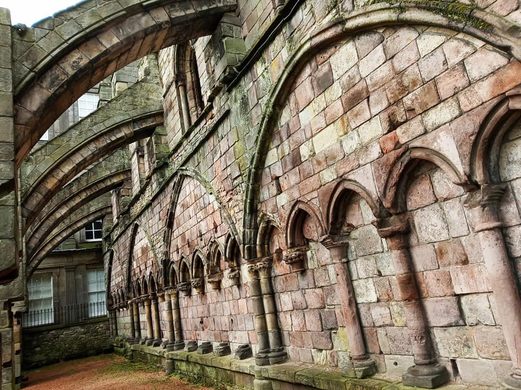
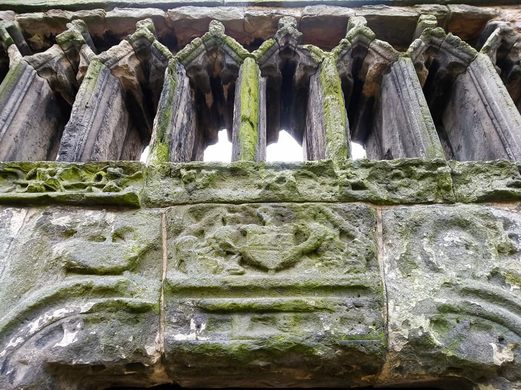
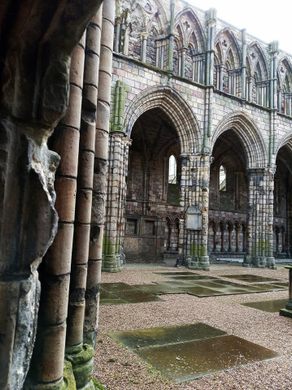
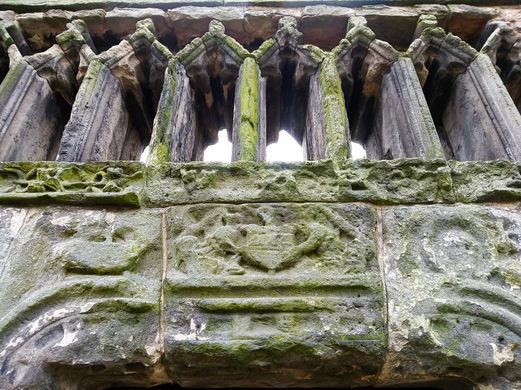
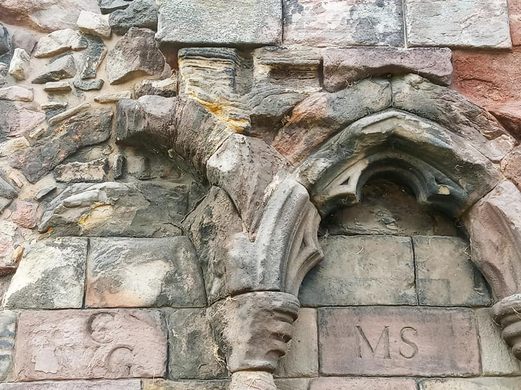
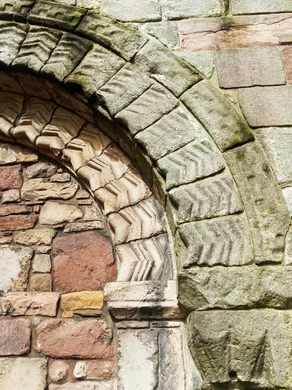
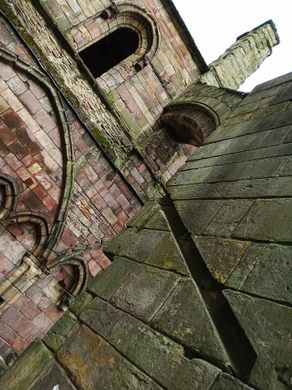
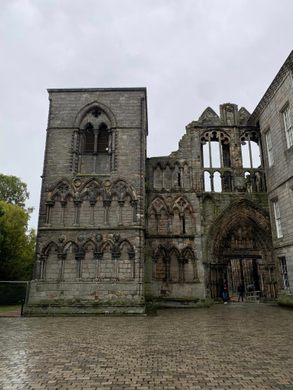
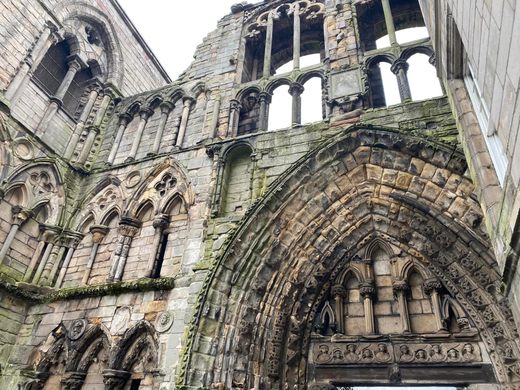
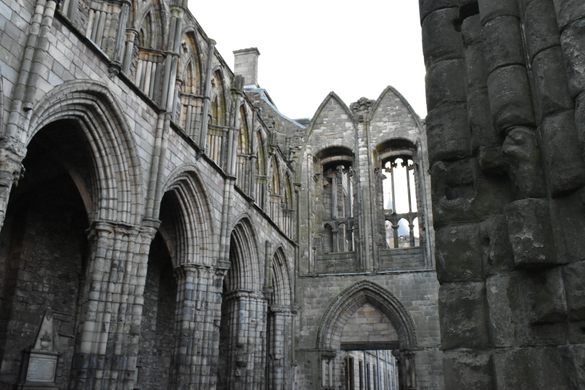
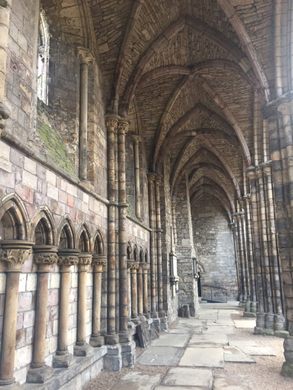
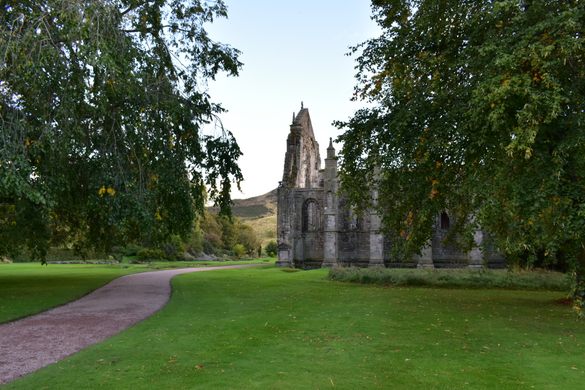
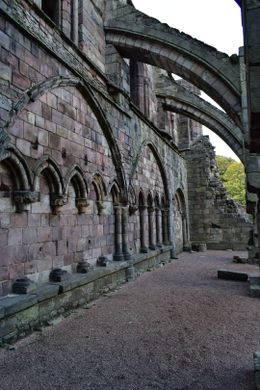
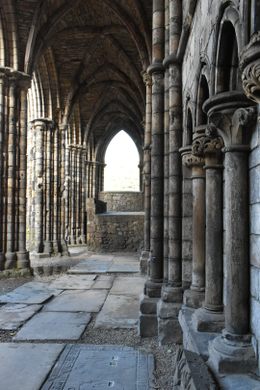

Since it was completed in the early 13th century, the Holyrood Abbey Church has acted as a fulcrum for major events in Scottish and English history. Tracing the history of the church tells the story of Scotland’s relationship with its neighbors to the south, and its ruined state neatly summarizes the results of English colonization in the British Isles.
The abbey’s name refers to King David’s experience with a charging deer and the shining holy cross that appeared in the forest to save his life. Rood is an Old English name for a crucifix. Founded by the king in the 12th century, the church was a grand structure with huge sweeping towers and a massive nave. Since it was near Edinburgh Castle, kings regularly stayed at the abbey and worshipped in the church, but its period of regular use was slowly coming to an end.
In 1544, recurring war and invasion from England began to take a toll on the church as structural damage occurred during the War of Rough Wooing. Only ten years later, parts of the church were deemed unnecessary and were also removed. Although the Abbey was remodeled in 1633, its improvement did not last long.
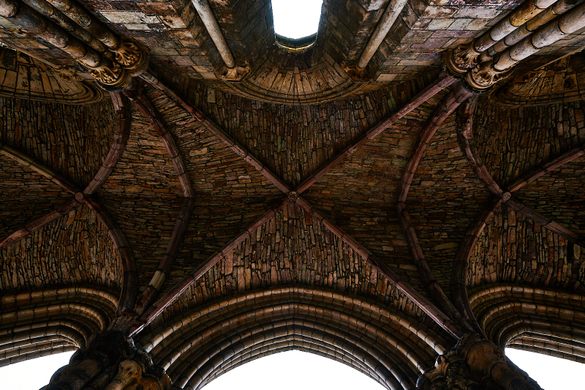
During the glorious revolution, English forces once again struck a deadly blow as a mob looted the church and destroyed the roof in 1688. At this point, Holyrood had nearly taken on the form it has now. An attempt to replace the roof was shoddily made in 1768 and the new roof fell in on itself within a decade. Today, the Abbey Church stands as it has for the last 250 years as ruins next to the palace in the middle of Scotland’s capital city, Edinburgh.
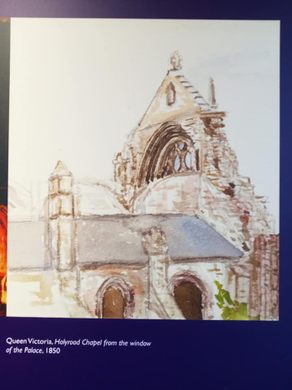
The ruins of the Abbey Chapel are said to have inspired Felix Mendelssohn to write his “Scottish Symphony” after a visit in July 1829. Queen Victoria and her uncle King Edward IV have been sited as using these dilapidated ruins as a model for their artistic endeavors.
Know Before You Go
Included in the price of admission to Holyrood Palace. There are guided tours offered once every hour, or you can listen to headsets provided at no additional expense at entry point, for historical information.
Bus 35 and all tour buses can take you here.

Community Contributors
Added by


The Atlas Obscura Podcast is Back!




Follow us on Twitter to get the latest on the world's hidden wonders.
Like us on Facebook to get the latest on the world's hidden wonders.
Follow us on Twitter Like us on Facebook