Magic Lantern Castle Museum
The only museum dedicated to the history of the "Magic Lantern," a medieval slide projector.

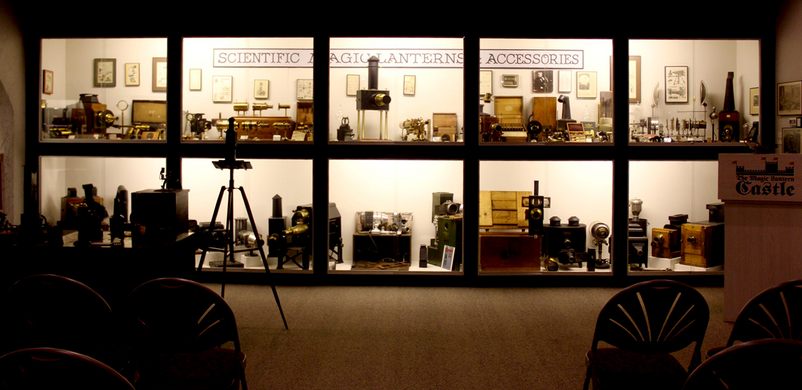
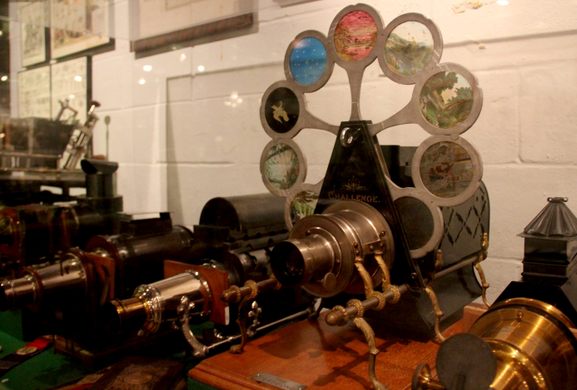
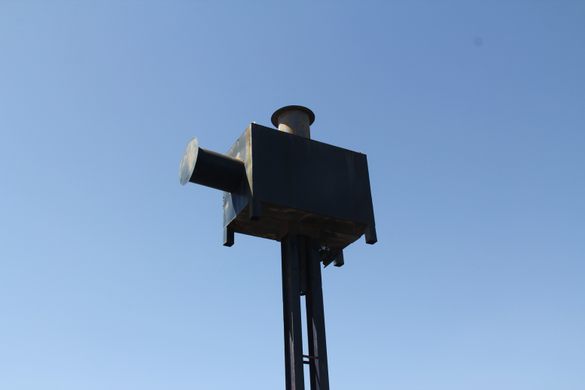
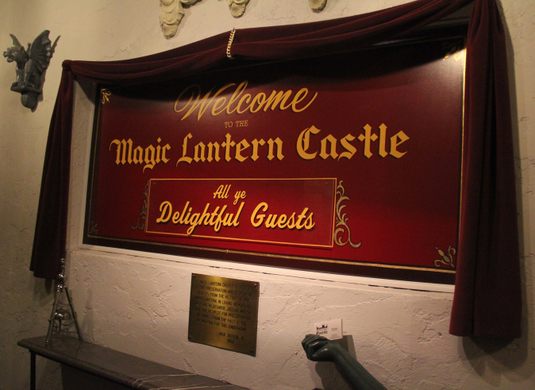
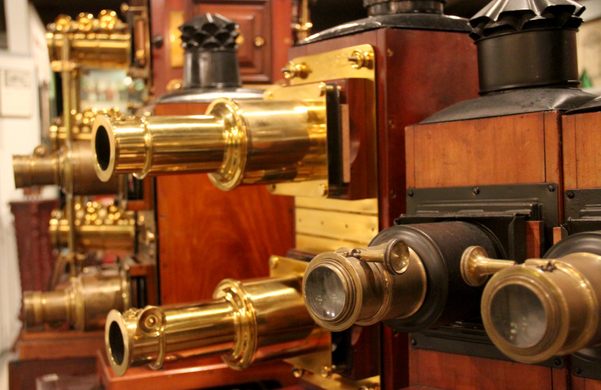
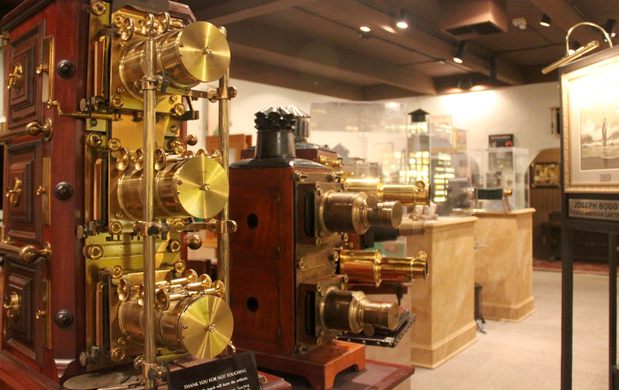
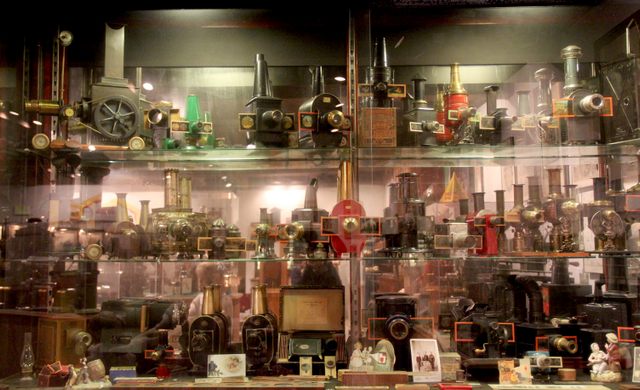
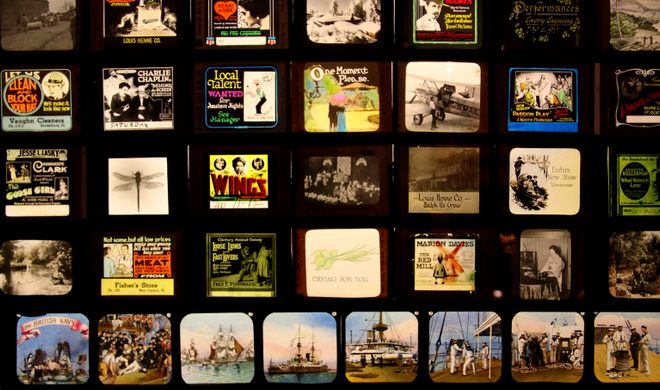

A magic lantern, the earliest known slide projector, dates all the way back to the late 1600s. Athanasius Kircher, a German Jesuit scholar of geology and medicine, first published his study of the principles involved in a magic lantern –directing a light source through a lens to project images – in his Ars Magna Lucis et Umbrae.
Images were first painted on glass and projected onto buildings, cloth drapes or wet screens. For audiences of Kircher’s time, seeing images suddenly appear on a flat surface was considered something quite magical.
Until moving images appeared in the late 1890s, the magic lantern was considered the only projection technology available.
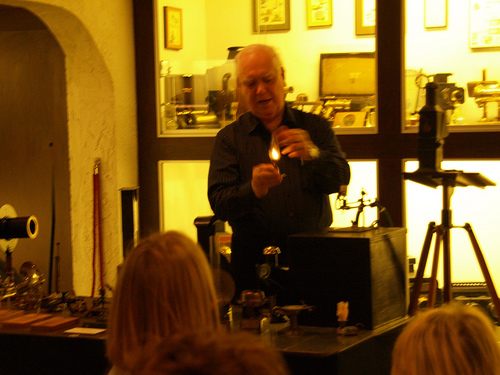
Several models of these magic lanterns are housed in a private museum started by Jack Judson, whose passion for restoring and collecting magic lanterns started in 1986 after his retirement. At 87 years old, Jack’s enthusiasm and encyclopedic knowledge for all things magic lantern make tours through his astounding collection incredibly special and unique. If you ask nicely, he might even burn a historic chunk of limelight for you.
Update February, 2018: The museum is now closed and not accepting requests for visits.
Community Contributors
Added by








Plan Your Trip
The Atlas Obscura Podcast is Back!




Follow us on Twitter to get the latest on the world's hidden wonders.
Like us on Facebook to get the latest on the world's hidden wonders.
Follow us on Twitter Like us on Facebook