Mount Thielsen Fulgurites
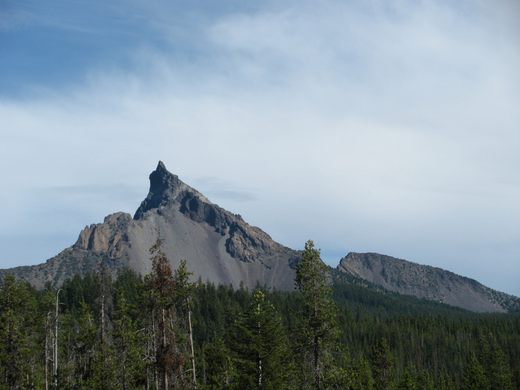
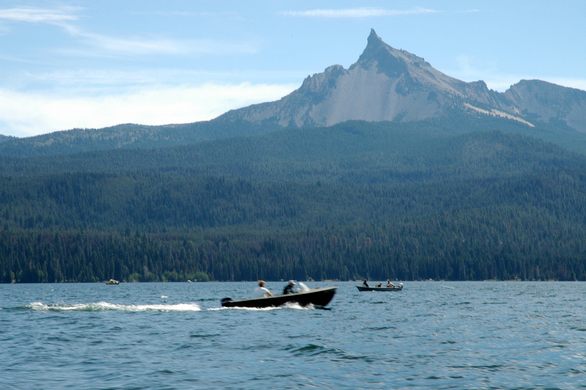
This extinct shield volcano is the lightning rod of the Cascades.
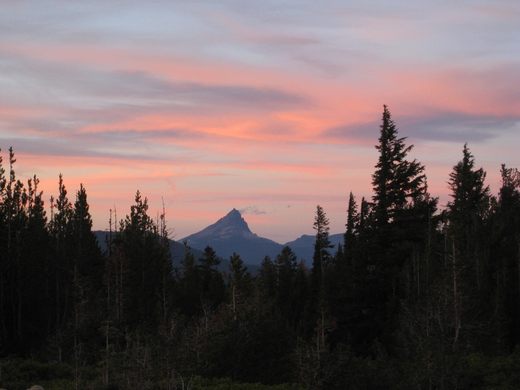


One doesn’t think about lightning hitting mountains, but it does, and sometimes it does so very often.
In fact, though lightning prefers trees, people, and large metal objects, (better conductors) lightning will strike sand, dirt, rock, just about anywhere there is enough of an electrical difference to cause a strike. When lightning does hit sand or certain types of rock it does something quite interesting: it makes a sculpture of itself.
Known as fulgurites, so hot is the lighting that the sand melts and fuses into glass, often in the shape that the lightning took through the sand. Known as petrified lightning they are generally found in quartzose sand, or silica, can be up to 16 ft in length and are sometimes found far below the surface, up to 49 ft deep before forming. This extreme heat and pressure forms a new mineraloid called Lechatelierite, also formed by meteorite impacts and atomic explosions.
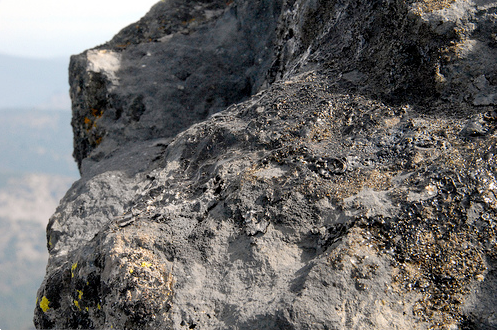
On Mount Thielsen, an extinct shield volcano in the Oregon High Cascades, the bare rock spire devoid of trees attracts lightning giving it the name “the lightning rod of the Cascades.” In this case, because the rock is much harder for the lightning to penetrate, the fulgurites form a glassy glaze on top of the rock itself, known as an exogenic fulgurite.
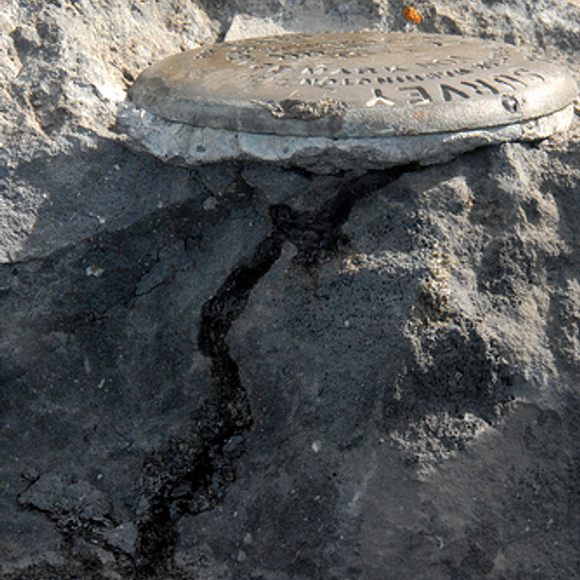
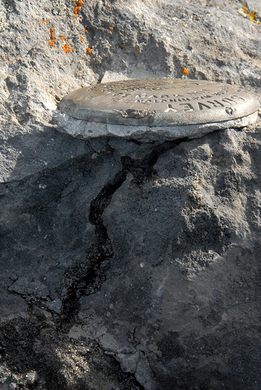
Near the spire of Mount Thielsen a US Geological Survey marker marks the spot of a notable fulgurite, with black glassy lines of frozen lightning running down the rock.



The Atlas Obscura Podcast is Back!




Follow us on Twitter to get the latest on the world's hidden wonders.
Like us on Facebook to get the latest on the world's hidden wonders.
Follow us on Twitter Like us on Facebook