
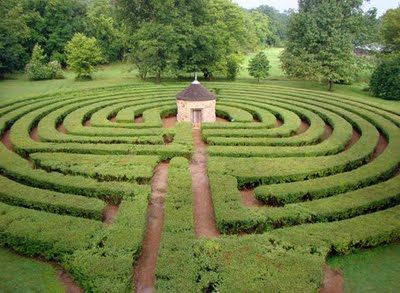
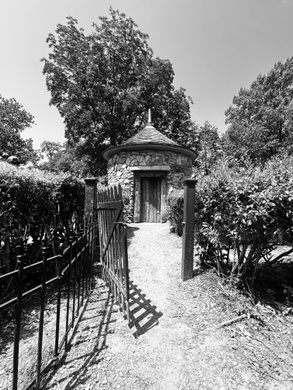
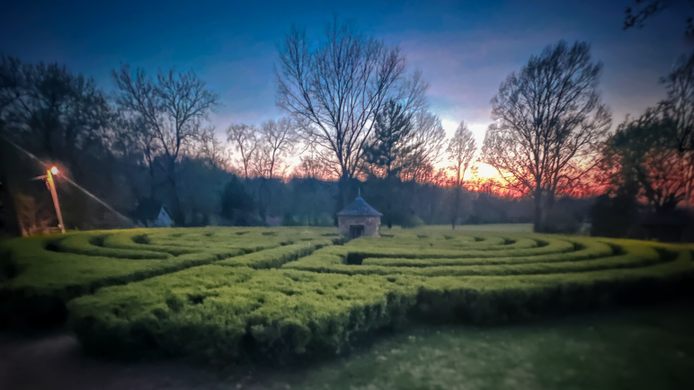
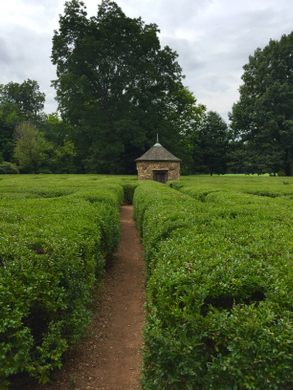
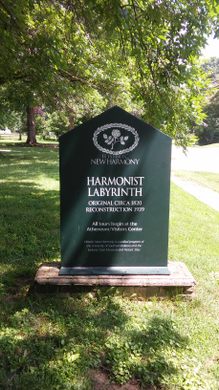
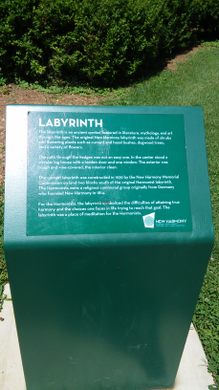



The Labyrinth in New Harmony was originally designed as a place for meditation and reflection by the Rappites, an ultra-religious German society, in the early 19th century. While a vow of celibacy ultimately ended the community’s hope for survival, the town of New Harmony still holds remnants of their attempt at a perfect society. The labyrinth is the most striking of these lasting remains. The Rappites viewed the labyrinth as a challenge and a symbolic attempt to overcome the issues in their life.
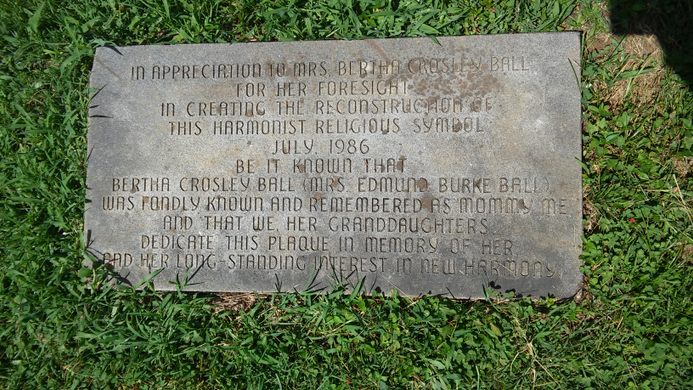
When the Rappites left their community, the labyrinth was left in disrepair until the mid-20th century. It was constructed as a classic labyrinth, with only one true path to the center, and although it was turned into a maze in the 1930s, a 2008 reconstruction based on archival information restored the labyrinth to its original form.
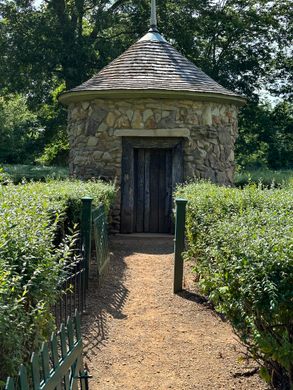
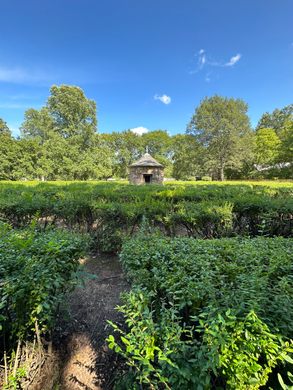
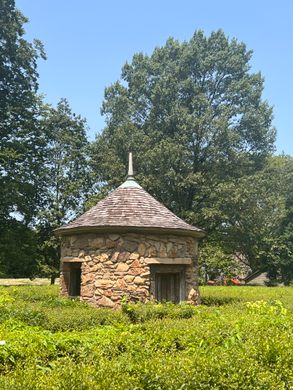
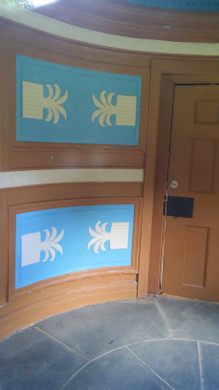
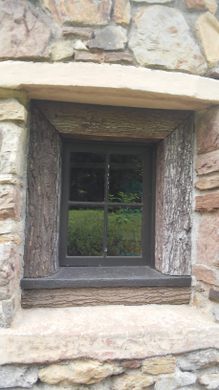
The labyrinth now stands proudly on the main street of New Harmony, Indiana, and is open admission-free year round. Visitors can take the challenge themselves, working their way around the shrub labyrinth toward the center, where there is a stone Rappite temple. For visitors lacking patience, gates allow for a shortcut directly to the center temple.
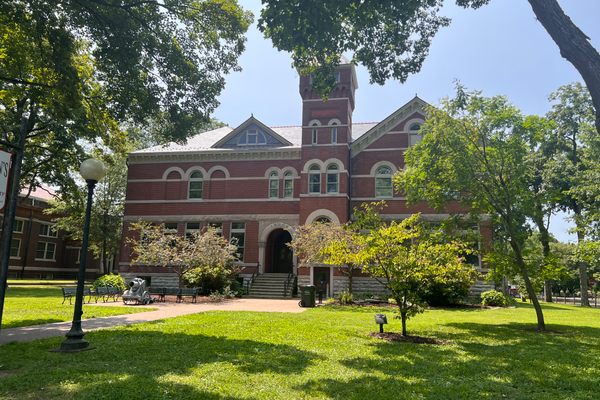
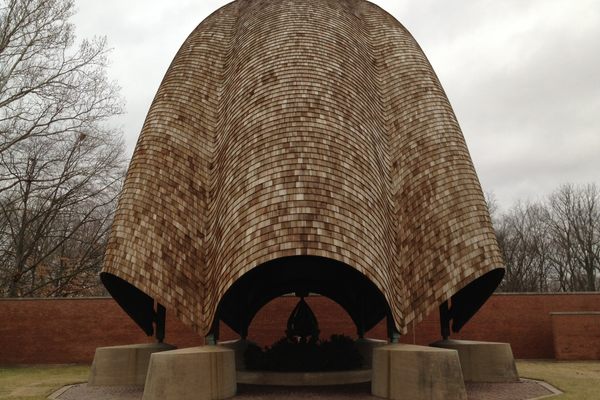
Along with the labyrinth, the town of New Harmony has preserved many of the older buildings of their first communities, and a walk through town provides a window into the workings of an early American religious utopia.
Know Before You Go
Hard to miss, this site is located on the main street that runs through New Harmony, Indiana.
Community Contributors






The Atlas Obscura Podcast is Back!




Follow us on Twitter to get the latest on the world's hidden wonders.
Like us on Facebook to get the latest on the world's hidden wonders.
Follow us on Twitter Like us on Facebook