AO Edited
Bahá'í Temple
The only Bahá'í house of worship in North America and one of only a handful worldwide.

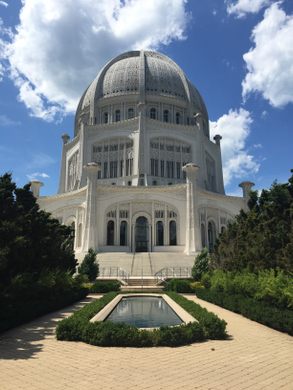
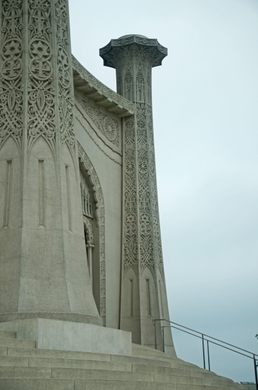
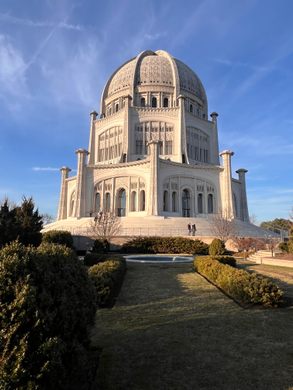
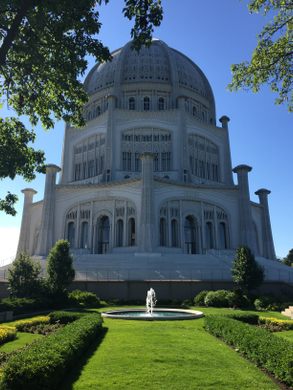
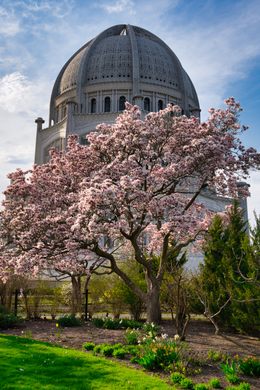
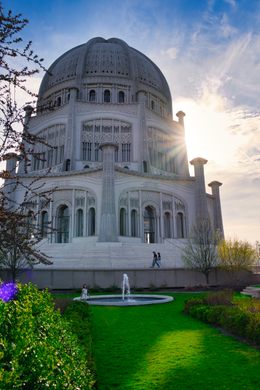

Identifying himself as a messenger from God, Persian prophet Bahá’u’lláh founded the Bahá’í Faith in the mid 1800s. Bahá’u’lláh taught the oneness of the world’s religions, the equality of the races, and a coming age of world peace.
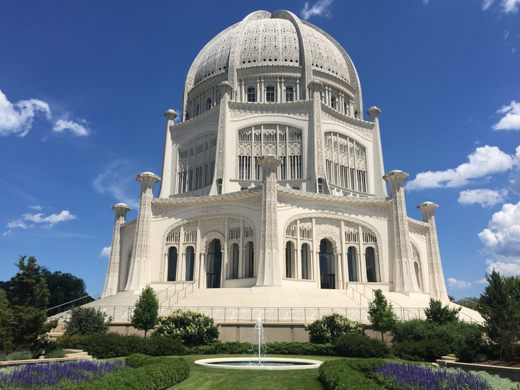
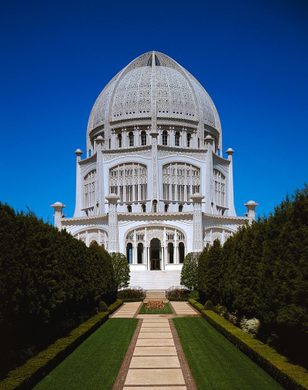
Today despite five to seven million followers of the faith spread throughout the world, there are only a handful of Bahá’í houses of worship in the world and only one in North America. Known by Bahá’ís as the “Mother Temple of the West” and formally as the “Bahá’í House of Worship for the North American Continent” and located near Chicago, Illinois, it is the largest and the oldest surviving Bahá’í temple in the world.
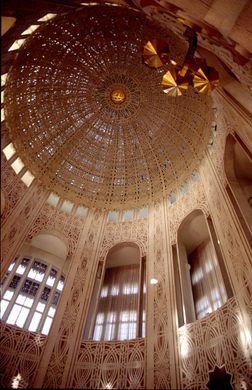
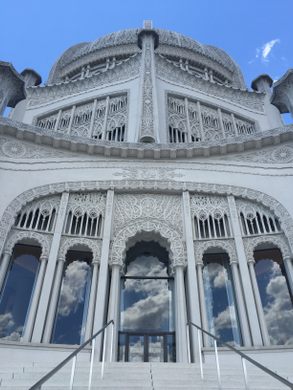
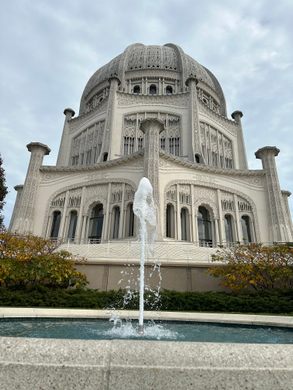
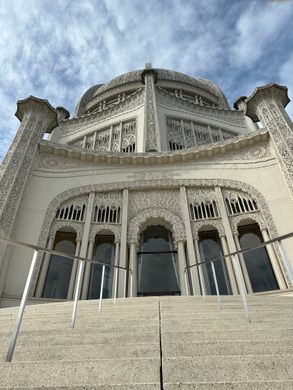
Construction began in 1921 and was completed in 1953, with a delay of several years during the Great Depression and World War II. The cladding is made of white portland cement concrete with both clear and white quartz aggregate. It has received numerous design awards, and is a prominent Chicago-area landmark. In 1978, it was added to the National Register of Historic Places and it has been designated as one of the Seven Wonders of Illinois.
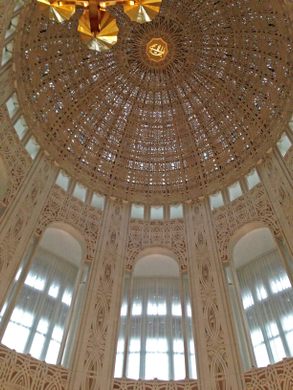
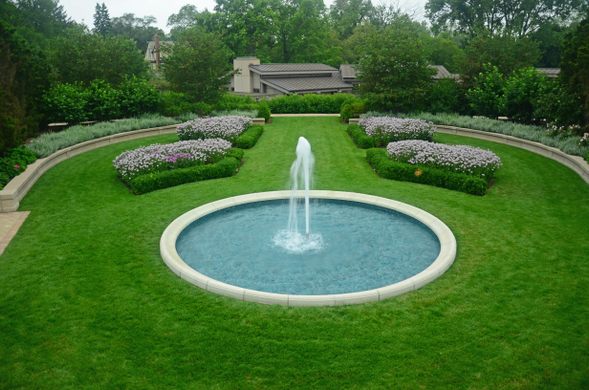
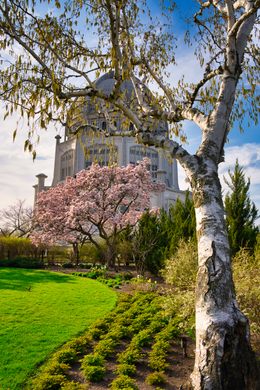
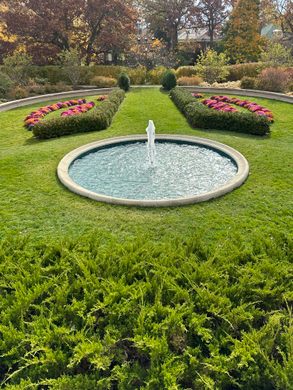
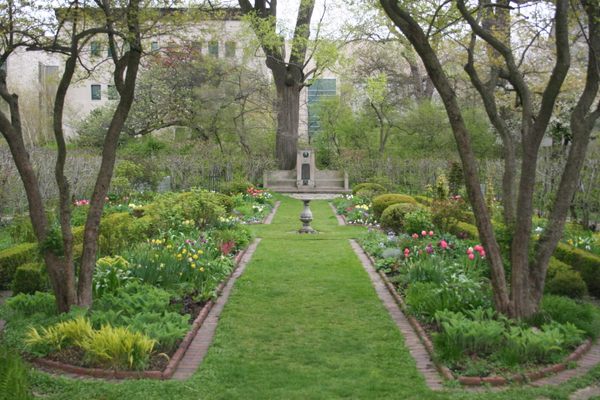
This unique structure stands for unity and invites prayer. While each temple has its own distinctive design, they all conform to a consistent theme: An area of gardens encircles a nine-sided structure covered by a single majestic dome, symbolizing the unity of all people and religions.
So how did Illinois come to have one of the world’s only Bahá’í temples? The idea to build the place of worship originated by a group of Bahá’ís in Chicago in the early 1900s, around the same time the first House of Worship was being built in present-day Turkmenistan. Chicagoan Corinne Knight True had recently visited the leader of the religion, `Abdu’l-Bahá’, on a pilgrimage overseas. He was given the blessing to construct the place of worship, and advised to build it in a quiet area near Lake Michigan.
Know Before You Go
By car: From Chicago, take Lake Shore Drive north to Sheridan Road. The temple is located just off of Sheridan Rd. By public transport: Take Red Line El north to the termination point, then the Purple Line to its termination point. From the station, turn right on Linden Avenue and walk 2-3 blocks to the temple. Free admission. Open every day from 6am-8pm. No photography inside of the temple. Be sure to walk around to all nine gardens, which you can walk into and relax.




Plan Your Trip
The Atlas Obscura Podcast is Back!




Follow us on Twitter to get the latest on the world's hidden wonders.
Like us on Facebook to get the latest on the world's hidden wonders.
Follow us on Twitter Like us on Facebook