Ernest Hemingway Home & Museum
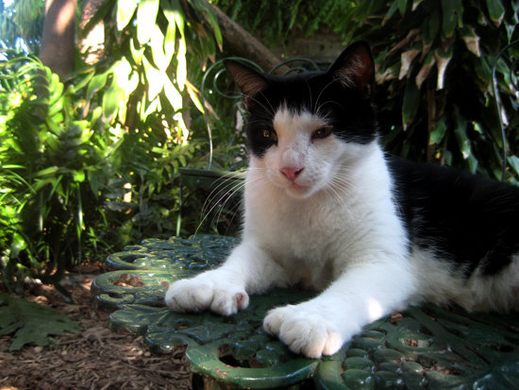
The former home of the Nobel Prize-winning American writer is now home to dozens of six-toed cats.
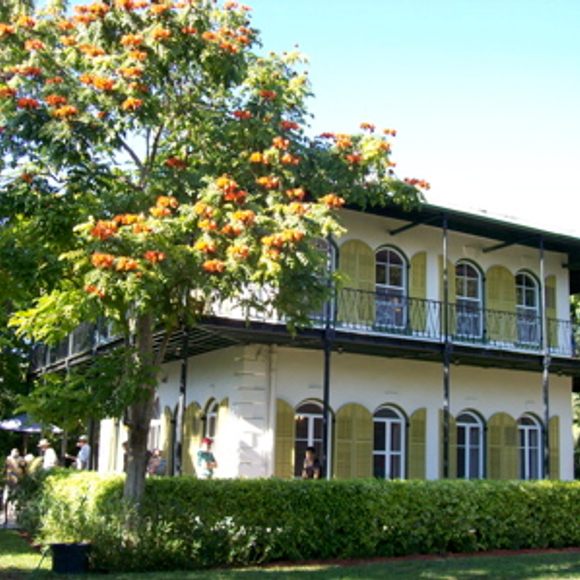
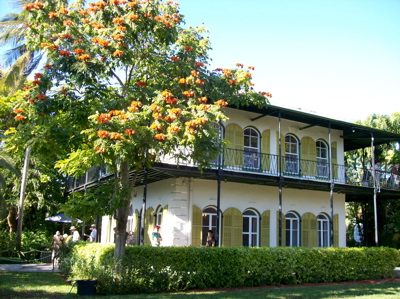
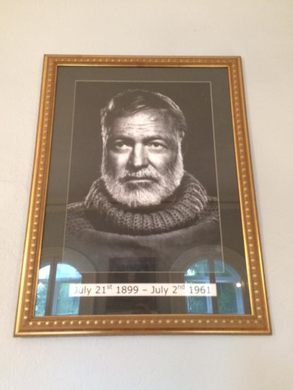
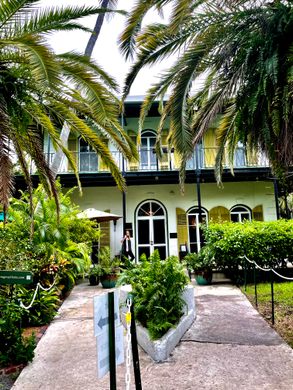
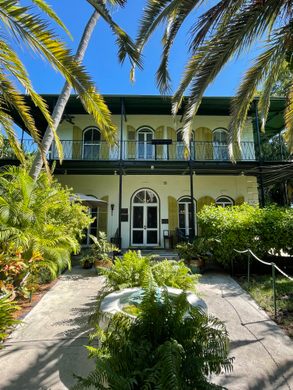
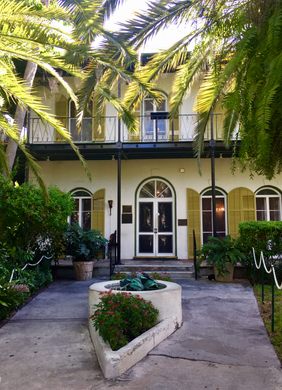
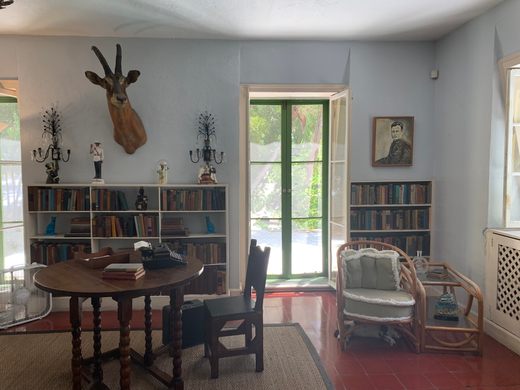
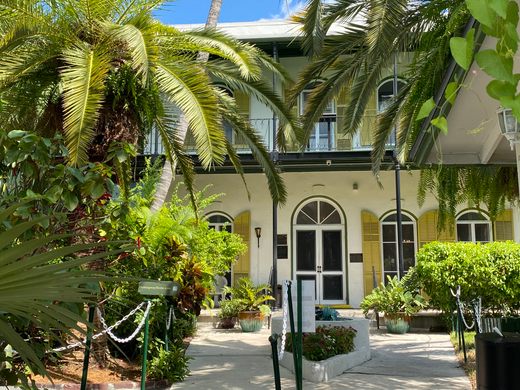
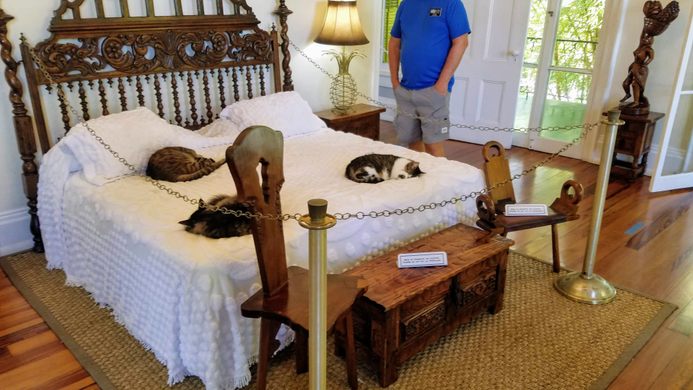
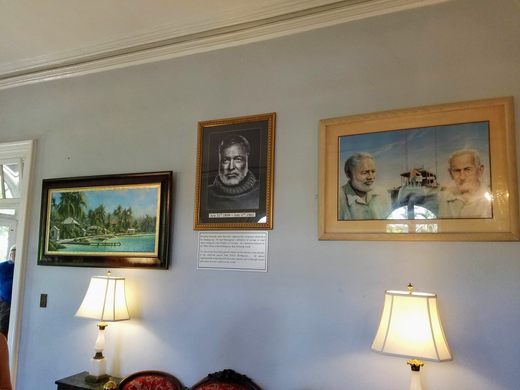
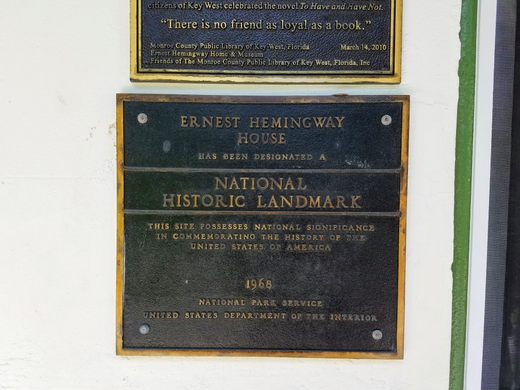
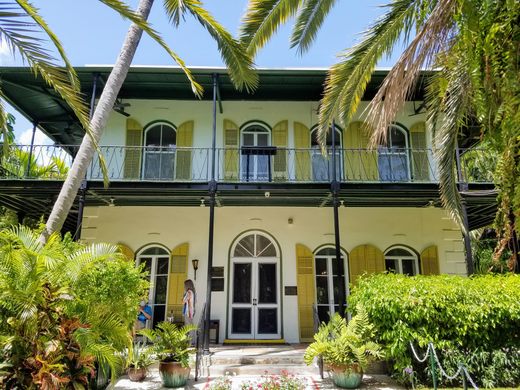
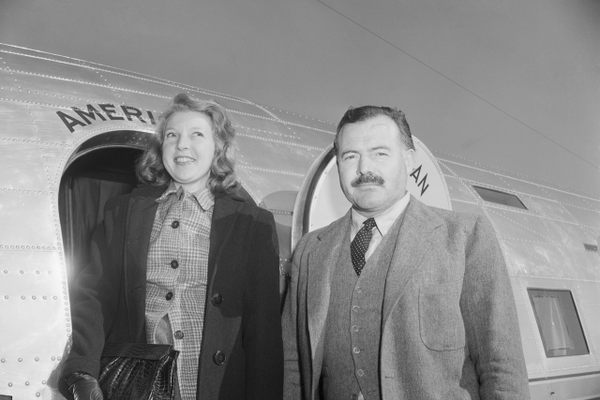


Ernest Hemingway was a man who lived in many wonderful places, and traveled to many more. But the house on Whitehead Street in Key West was of particular importance, both in Hemingway’s personal life and in his literary development.
When Hemingway moved from Paris to Key West in the mid-1920s on the advice of fellow writer John Dos Passos, he was a well-known author but not yet a legend. The house was given to him by the uncle of his second wife; at the time, Hemingway probably could not have afforded to purchase it himself.
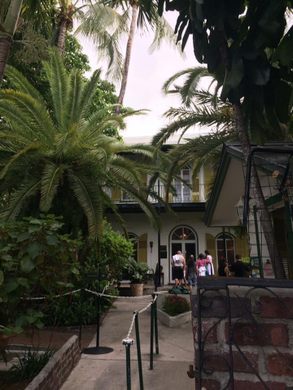
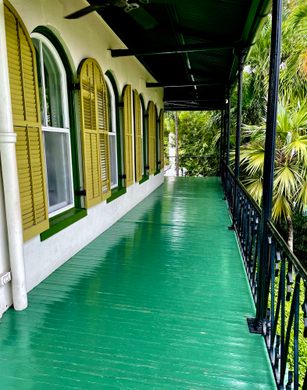
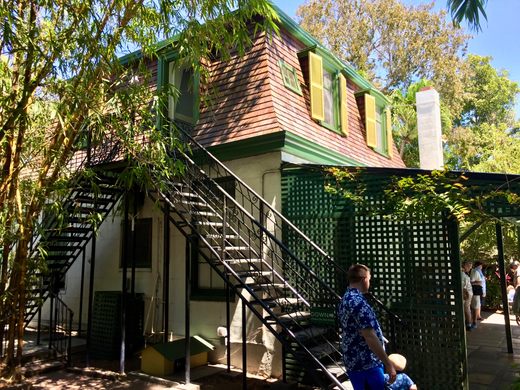
It was in this ornate, Spanish-style house that Hemingway wrote his 1929 novel A Farewell to Arms, as well as parts of Death in the Afternoon, Green Hills of Africa, and For Whom the Bell Tolls. It was here, in Key West, where Hemingway developed his obsession with the deep-sea fishing for which he is famous, and where he was given the nickname “Papa,” which was bestowed on him by the “Key West Mob,” his crew of friends in South Florida who would provide the inspiration for his novel To Have and Have Not.
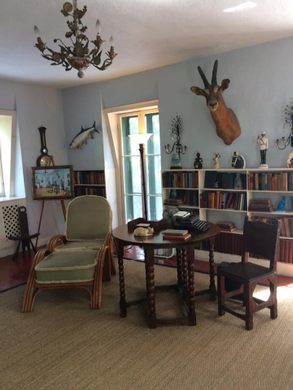
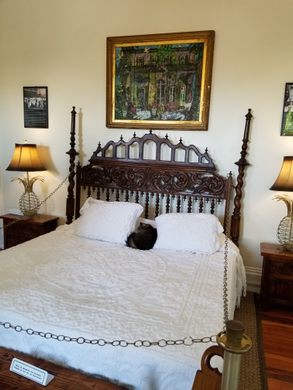
The house is filled with Hemingway memorabilia from the more than 20 years in which he occupied it. Hemingway’s typewriter is still there, as are numerous mounted heads and skins from his famed hunting trips in Africa.
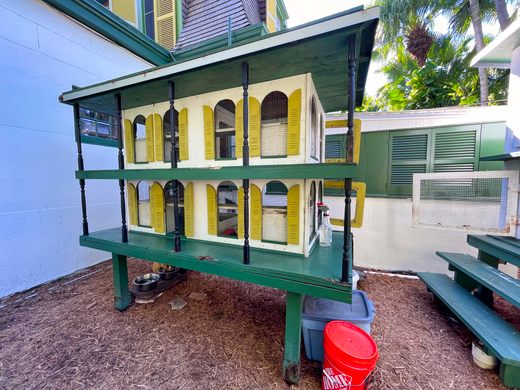
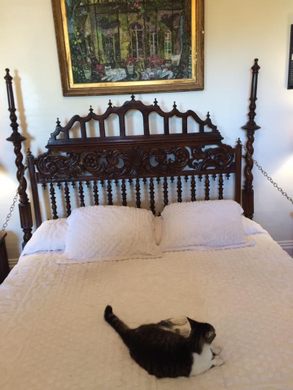
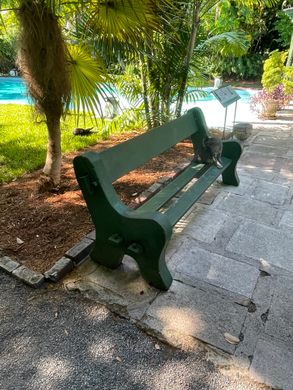
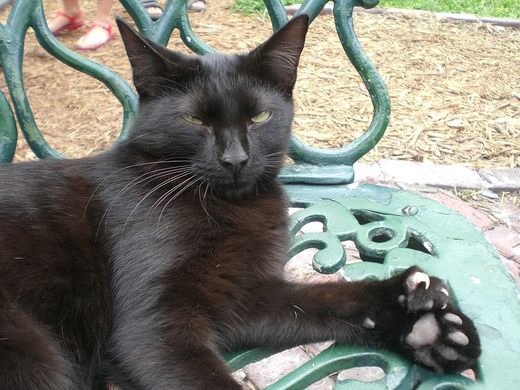
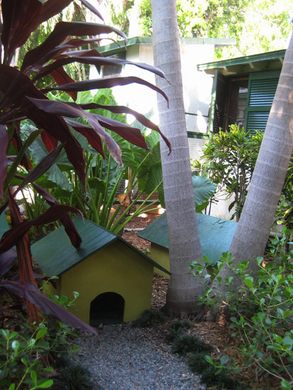
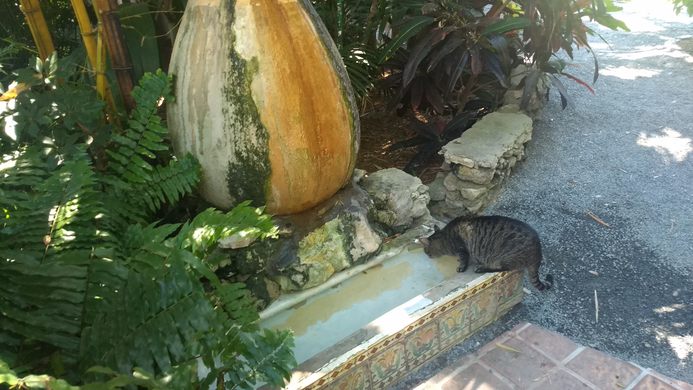
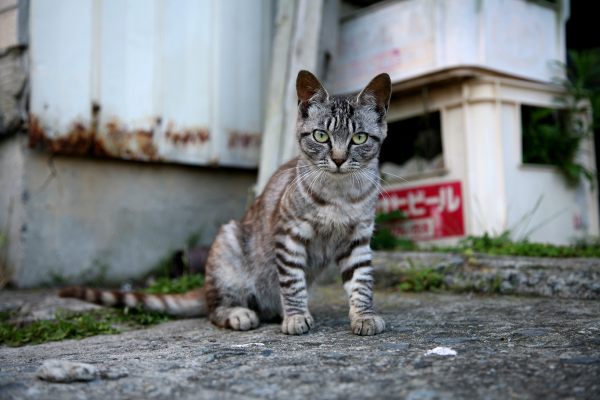
On a slightly odder level, the estate is also home to over 50 cats, with names like Pablo Picasso, Hairy Truman, and Audrey Hepburn. About half of these cats are polydactyls—animals with extra toes. A ship captain once gave Hemingway a six-toed cat, of whom the writer was extremely fond, and from whom these cats are supposedly descended.
Know Before You Go
They offer an active-duty military discount, and if you're nice to the person at the gate, you might get the discount if you're retired military. Don't forget the on-site AO two-fer in Hemingway's Last Penny, embedded in the concrete at the pool out back.
Community Contributors
Added by


Plan Your Trip
The Atlas Obscura Podcast is Back!



Follow us on Twitter to get the latest on the world's hidden wonders.
Like us on Facebook to get the latest on the world's hidden wonders.
Follow us on Twitter Like us on Facebook