AO Edited
Nakagin Capsule Tower
The original "capsule building" is a masterpiece of Metabolist architecture.
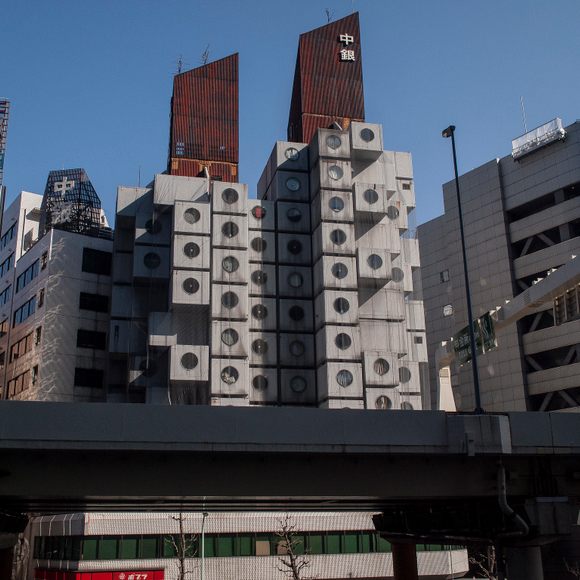

The mid-20th-century was a time of great experimentation in architecture, a time when architects set out to create habitats for the brave new world, tearing all bonds of architectural tradition in the process.
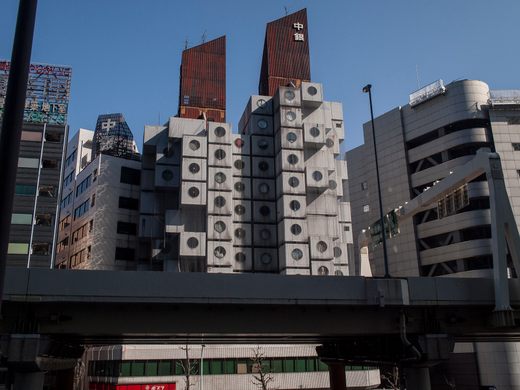
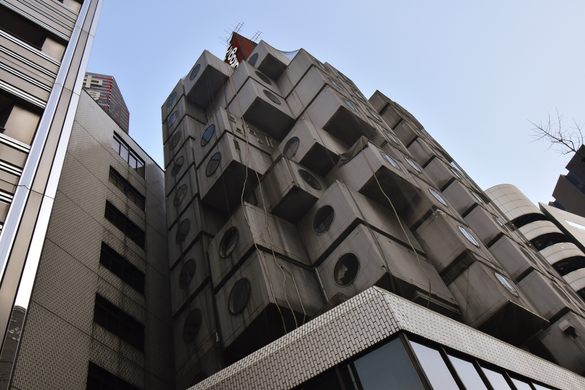
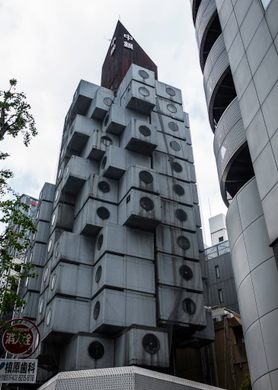
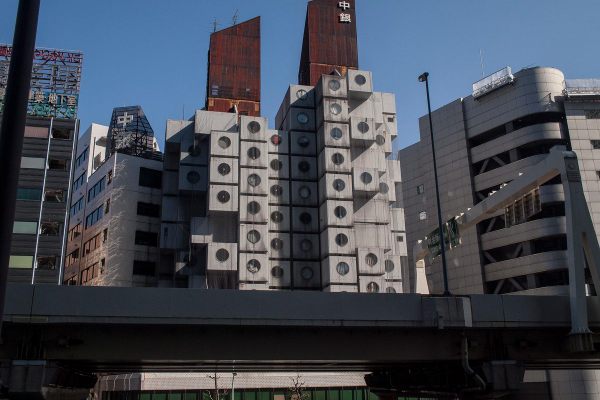
The Nakagin Tower, constructed in 1972 and part of the so-called Metabolist Architecture spearheaded by Kisho Kurokawa, is perhaps the most famous building that sprang out of these social experiments.
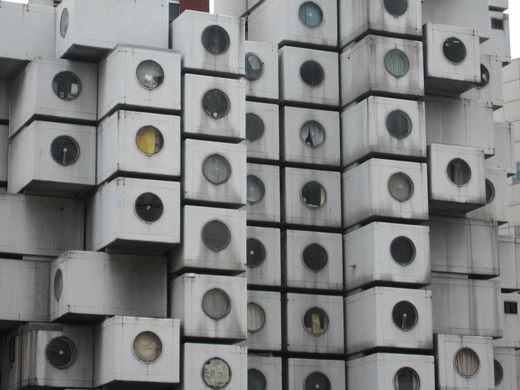
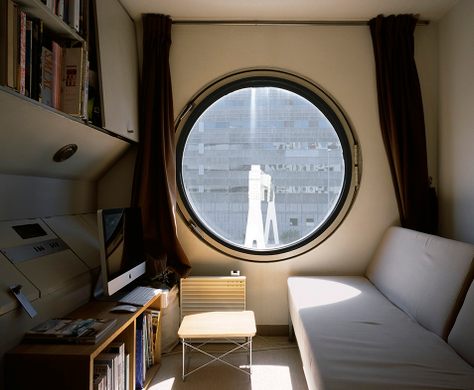
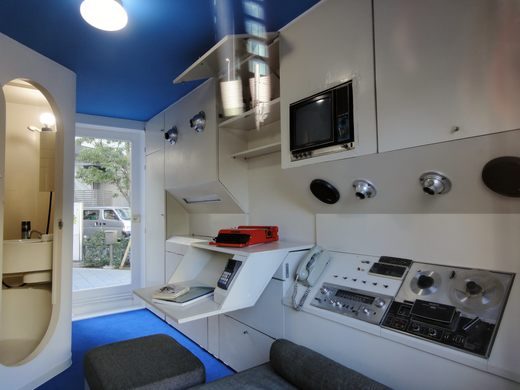
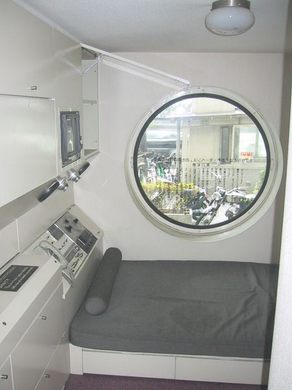
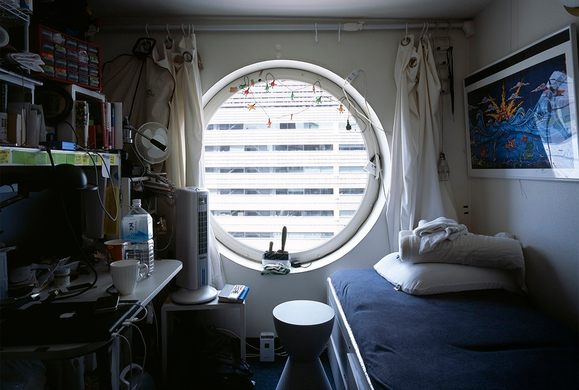
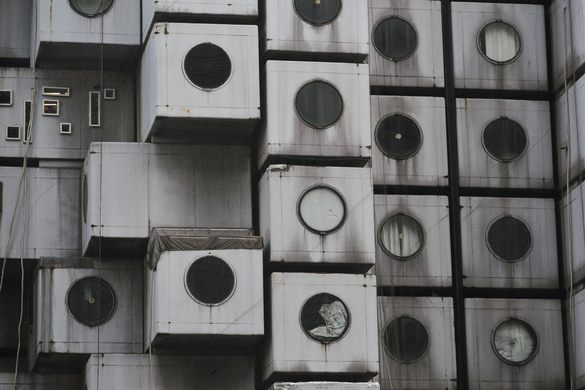
The building follows the axioms of Metabolist philosophy. It consists of two separate towers which serve as support to 140 prefabricated capsules. Each capsule is one self-contained tiny apartment. The original idea postulated that capsules could be eventually replaced by newer models, keeping living standards in the building constantly up to date. The original target demographic was bachelor salarymen. The capsules were fully furnished in an up-to-the-minute fashion, including such amenities as a kitchen stove, a refrigerator, a television set, and a reel-to-reel tape deck.
Elegant as an abstract concept, and beautiful in design to other architects, the tower turned out to be almost unbearable to its inhabitants. Tiny apartments, measuring eight feet by 12 feet by seven feet, were constantly cramped, and the giant concrete shell was ugly and dehumanizing. In addition, maintenance costs started to pile up, and the value of real estate in the center of the famous and expensive Ginza district began to plummet.
The future of the building is at the moment uncertain. In April of 2007, it was slated for demolition. The notion caused an uproar in the international architecture community, which still considers the building a masterpiece. Kurokawa led the campaign for its preservation until the end of his life. He even suggested the replacement of the original capsules with a smaller number of more spacious modules. The financial crisis provided only temporary salvation for the building, as investors for the replacement haven’t been found yet. However, as of April of 2014, the Save Nakagin Capsule Tower Project has begun crowd-sourcing funds to buy the tower’s capsules and secure voting rights against the Tower’s demolition.
Update as of June 2022: The tower has been demolished.

Community Contributors





Plan Your Trip
The Atlas Obscura Podcast is Back!




Follow us on Twitter to get the latest on the world's hidden wonders.
Like us on Facebook to get the latest on the world's hidden wonders.
Follow us on Twitter Like us on Facebook